2026-09-23
Two Weeks in Puli: A Journey of Cultural Exchange and Volunteering
Written by Ingrid Pereira
In July, ICI student Ingrid Pereira and her Indonesian classmate Erinna traveled to Puli, Nantou, to take part in a two-week volunteer program at the Chen Chou Ama Foundation (陳綢阿嬤基金會), representing Paraguay and Indonesia respectively. Through cultural sharing, daily activities, and interactions with the children, the experience gave them an opportunity to step outside their comfort zones, learn from a local community, and reflect on the meaning of cultural exchange and community support. In the following reflection, Ingrid shares her experience and observations from their time in Puli.
In July, my Indonesian classmate, Erinna, and I had the opportunity to travel to Puli in central Taiwan to participate in a volunteer program at the Chen Chou Ama Foundation (陳綢阿嬤基金會), representing Indonesia and Paraguay respectively. Although our experience lasted only two weeks, it became a meaningful opportunity to engage in cultural exchange, challenge ourselves, and build connections with the children and staff at the foundation.
The program was the result of several months of preparation. After completing the application process and being selected, we attended several online meetings to learn more about the program and coordinate the details of our stay. On July 6, we traveled to Puli with one of the staff members responsible for the program. We took the High Speed Rail to Taichung and then continued by bus to Puli. For me, the trip was particularly memorable because, despite having lived in Taiwan for almost two years, it was my first time taking the High Speed Rail.
When we arrived in Puli, the foundation's coordinators welcomed us and introduced us to the area. We stayed in the staff dormitories at a children's home, which allowed us to experience the environment where the children lived and studied. The home included classrooms for activities such as cooking and arts and crafts, as well as game rooms, common areas, and a basketball court. From the beginning, the staff made us feel welcome by providing many of the things we needed during our stay. Their kindness and attentiveness made adapting to the new environment much easier.
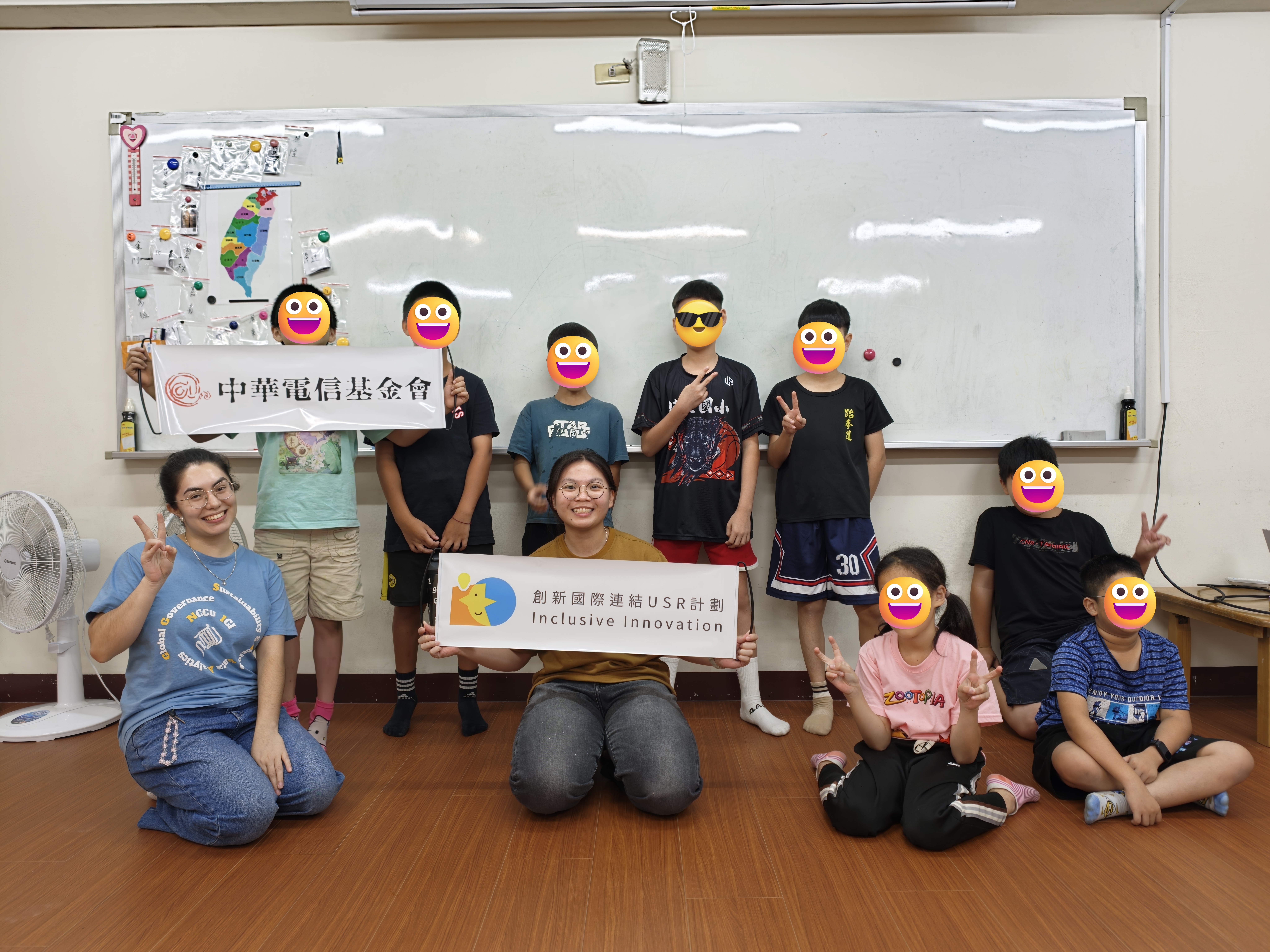
Our daily activities were divided into morning and afternoon sessions. In the mornings, we took part in sports such as table tennis and badminton, joined cooking activities, and played games with the children. In the afternoons, we worked with a group of eight children, participated in their classes, and encouraged them to communicate with us. We also taught three cultural exchange classes, introducing the children to Indonesia and Paraguay and sharing aspects of our cultures, traditions, and countries.
One of the challenges we faced was communication. Our Mandarin was limited, while the children's English was not always strong. However, this challenge became an important part of our cultural exchange. We learned to speak slowly, use gestures and demonstrations, and ask the teachers for help when necessary. Through these experiences, I realized that communication is not only about speaking the same language. Patience, observation, and a willingness to adapt are equally important when trying to connect with people from different backgrounds.
Our first weekend was affected by a typhoon, so we were advised to remain indoors. Fortunately, Puli did not experience severe weather conditions. The staff took us to supermarkets to buy supplies and provided us with snacks and other things to enjoy during the weekend. Once the weather improved, we were able to visit Sun Moon Lake. We rented electric bicycles, rode around the lake, stopped for lunch in Ita Thao, and took a boat ride. It became one of the highlights of our stay and gave us the opportunity to experience another part of Taiwan together.
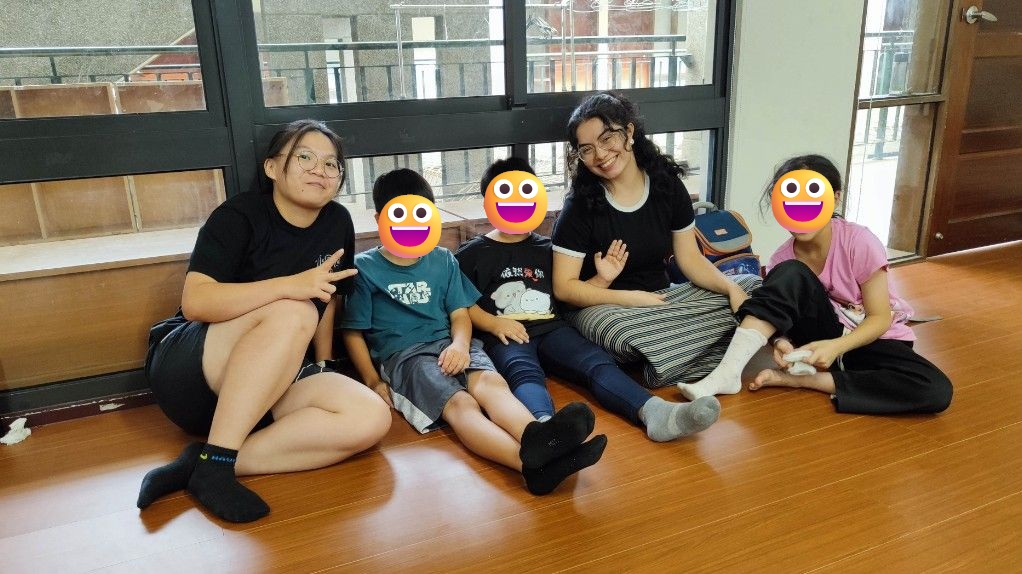
The first week was also a period of adjustment. We had to become accustomed to a new schedule, unfamiliar surroundings, and a different way of interacting with the children. Rather than expecting everything to feel comfortable immediately, we tried to observe, participate, and gradually adapt. By the second week, the environment had become much more familiar. More importantly, the children also became increasingly comfortable around us. They would come to give us hugs, ask to sit next to us, and look for opportunities to spend time with us.
This growing connection was especially meaningful to me because of the cultural differences I had noticed between Paraguay and Taiwan. When I first came to Taiwan, I felt that physical affection in everyday interactions was less common than what I was accustomed to in Paraguay. In my experience, physical affection can be a more common way of expressing closeness and friendship in my home country. Because of this, seeing the children gradually become comfortable enough to show affection toward us felt particularly meaningful. Despite our differences in language and culture, we had developed a sense of trust and familiarity.
During the second week, we also learned more about the children's individual stories and some of the experiences they had faced in the past. Listening to them gave us a deeper understanding of their lives and made me reflect on the importance of providing children with safe, supportive, and nurturing environments.
It also made me think about the situation in Paraguay, where violence against children remains a serious concern. Seeing the work of the foundation firsthand helped me understand how important organizations and communities can be in creating spaces where children feel safe, receive support, and have opportunities to learn and grow.
At the end of the program, saying goodbye was more difficult than I had expected. We gave the children small souvenirs from our countries, such as sweets and keychains. Although I missed my home and my friends, I also wished that I could stay longer. In only two weeks, we had developed genuine connections with the children, and leaving made me realize how meaningful our time together had become.
This experience taught me that cultural exchange is not simply about introducing others to our own countries and traditions. It is also about listening, observing, adapting, and allowing ourselves to learn from the people we meet. Our time in Puli challenged us to step outside our comfort zones, understand another community, and reflect on our own cultures and societies.
Although our volunteer experience lasted only two weeks, its impact will remain with us for a long time. We left Puli with new perspectives, meaningful memories, and a deeper appreciation for the importance of cultural exchange and community support.
And, honestly, we would love to return someday.



 (4).jpg)

.jpg)

.jpg)