2026-09-04
Across Borders, Together at ICI! New Students from Around the World Begin Their University Journey with ICI’s “First Dance”
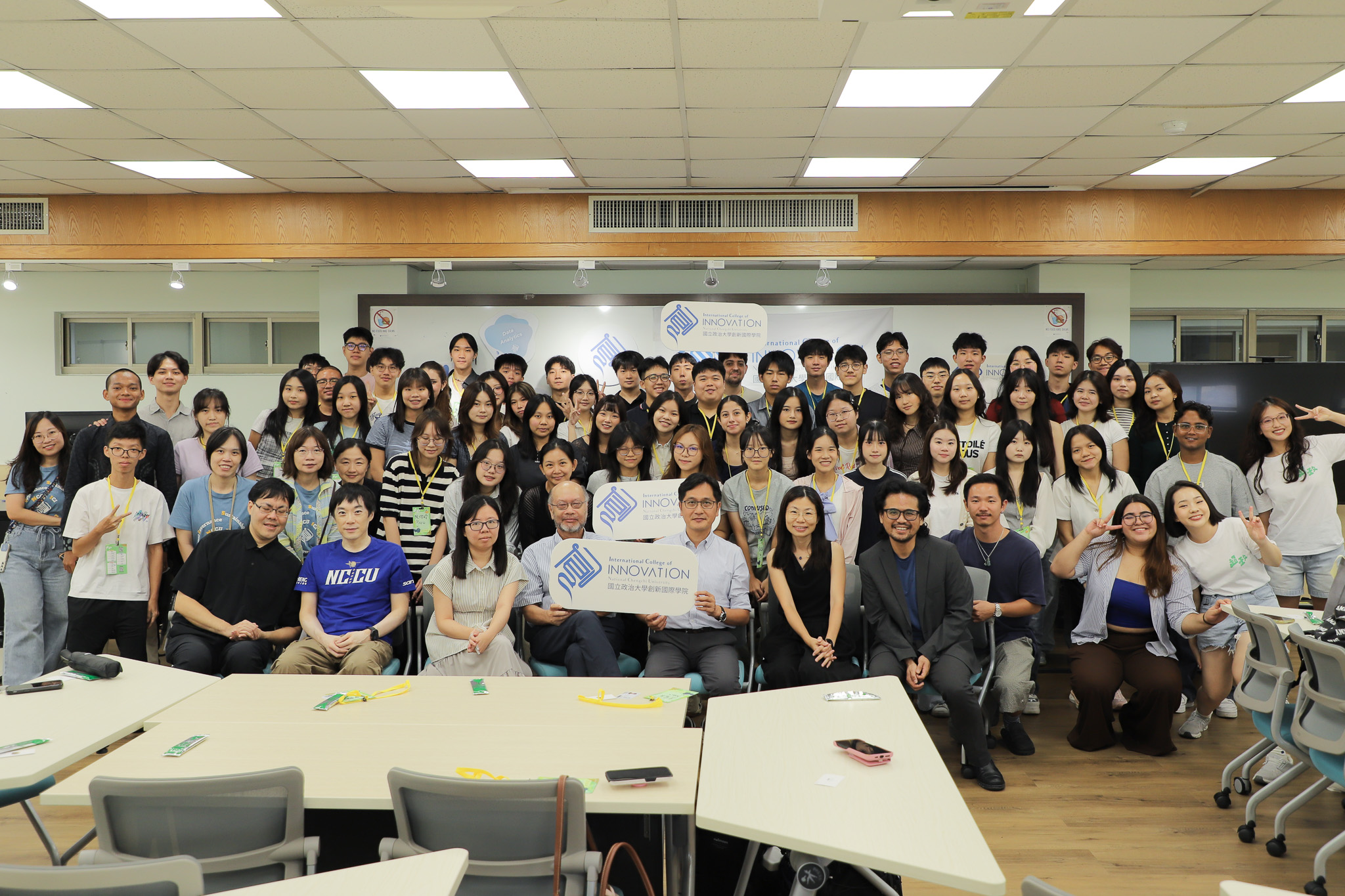
The International College of Innovation (ICI) at National Chengchi University and the ICI Student Association jointly held the 2026 ICI Orientation on September 2, welcoming new students from around the world for the new academic year. This year, a total of 73 new students joined ICI, including 45 international students from 16 countries and 28 domestic students. Through welcoming remarks from the Dean and faculty members, information sessions, and interactive activities, the orientation introduced students to ICI’s learning environment and campus resources while providing opportunities to connect with new friends from different national and cultural backgrounds before officially beginning their university journey.
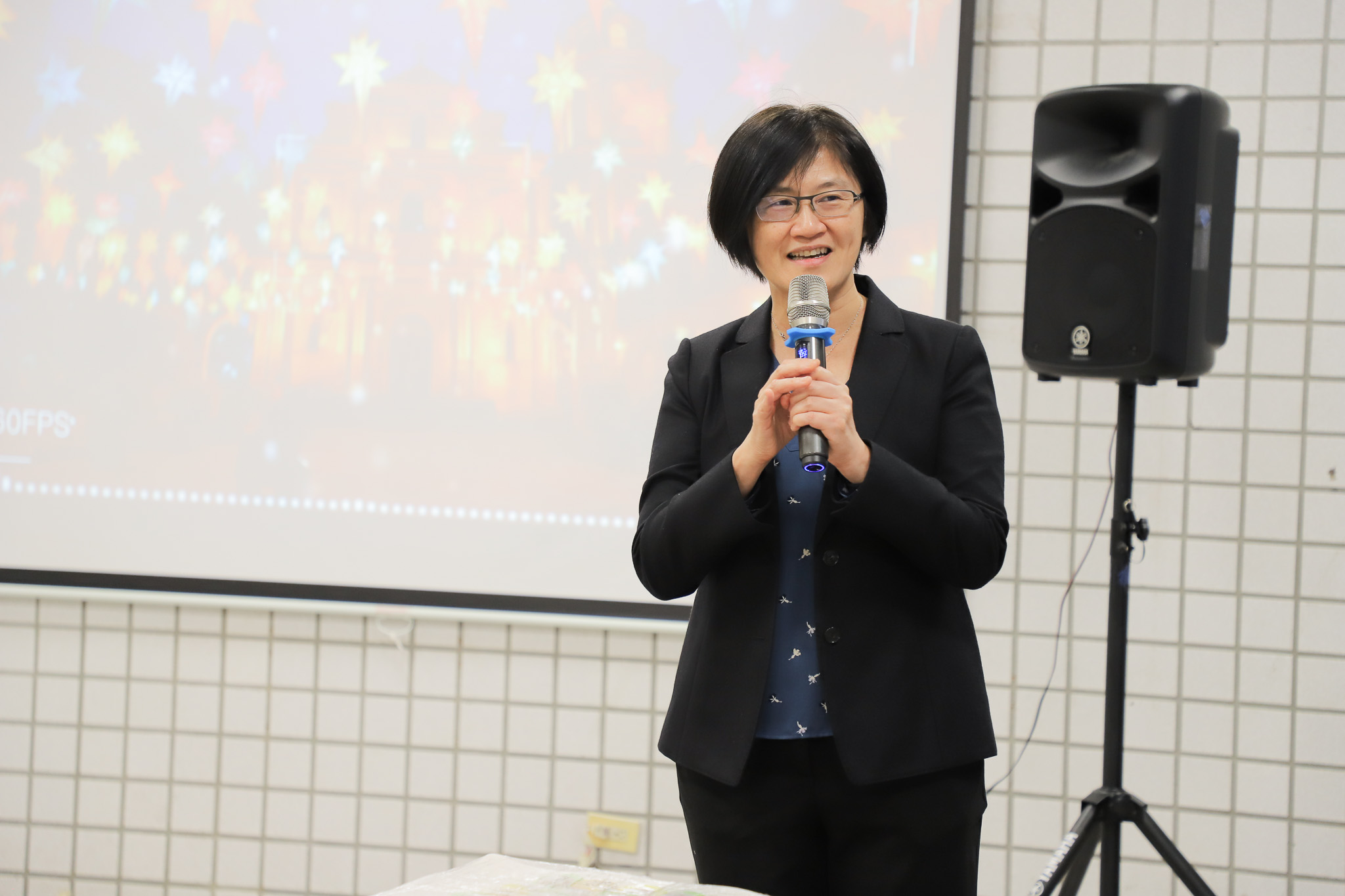
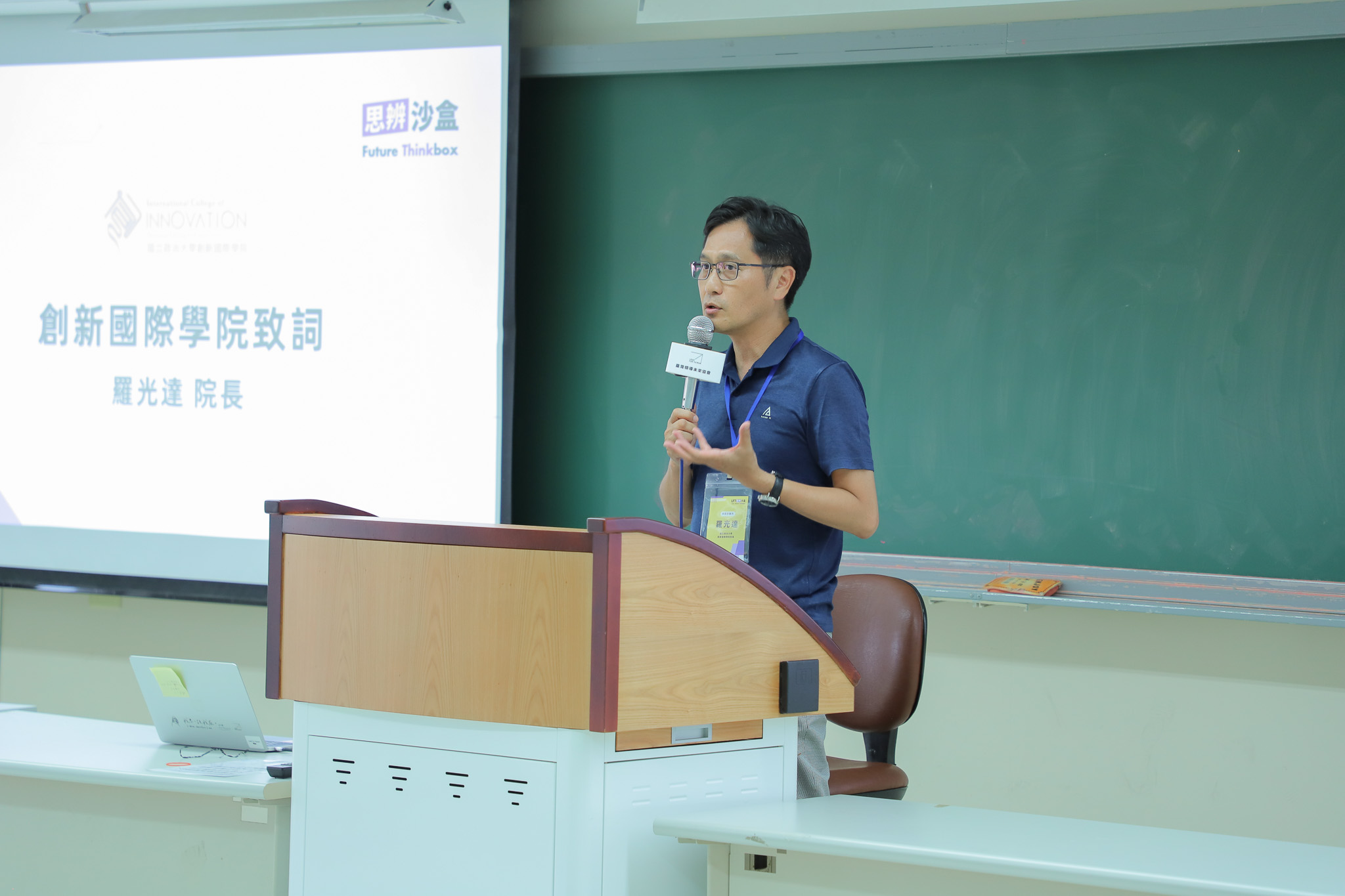
In his opening remarks, ICI Dean Professor Kuang-Ta Lo noted that ICI brings together students from many different parts of the world, and that this diversity is an important part of the learning experience at ICI. He encouraged students to develop three important abilities during their time at ICI: communication, comprehension, and critical thinking. In an age when information is everywhere and AI can provide answers quickly, Dean Lo emphasized that the challenge is not simply to get answers, but to know what information is correct, ask good questions, and maintain the ability to think independently. He also encouraged students not to spend their entire university life in the classroom, reminding them that their classmates—from different countries, cultures, languages, and with different opinions—are among ICI’s greatest resources. As he put it, “Difference is not a barrier to learning. Difference is part of learning.” Dean Lo then gave the new students their first ICI assignment—with no grade: talk to someone from a country other than your own. Their English does not have to be perfect; a smile, a hello, or a simple conversation can be the beginning of a friendship, allowing students to learn from one another’s differences throughout their four years at ICI.
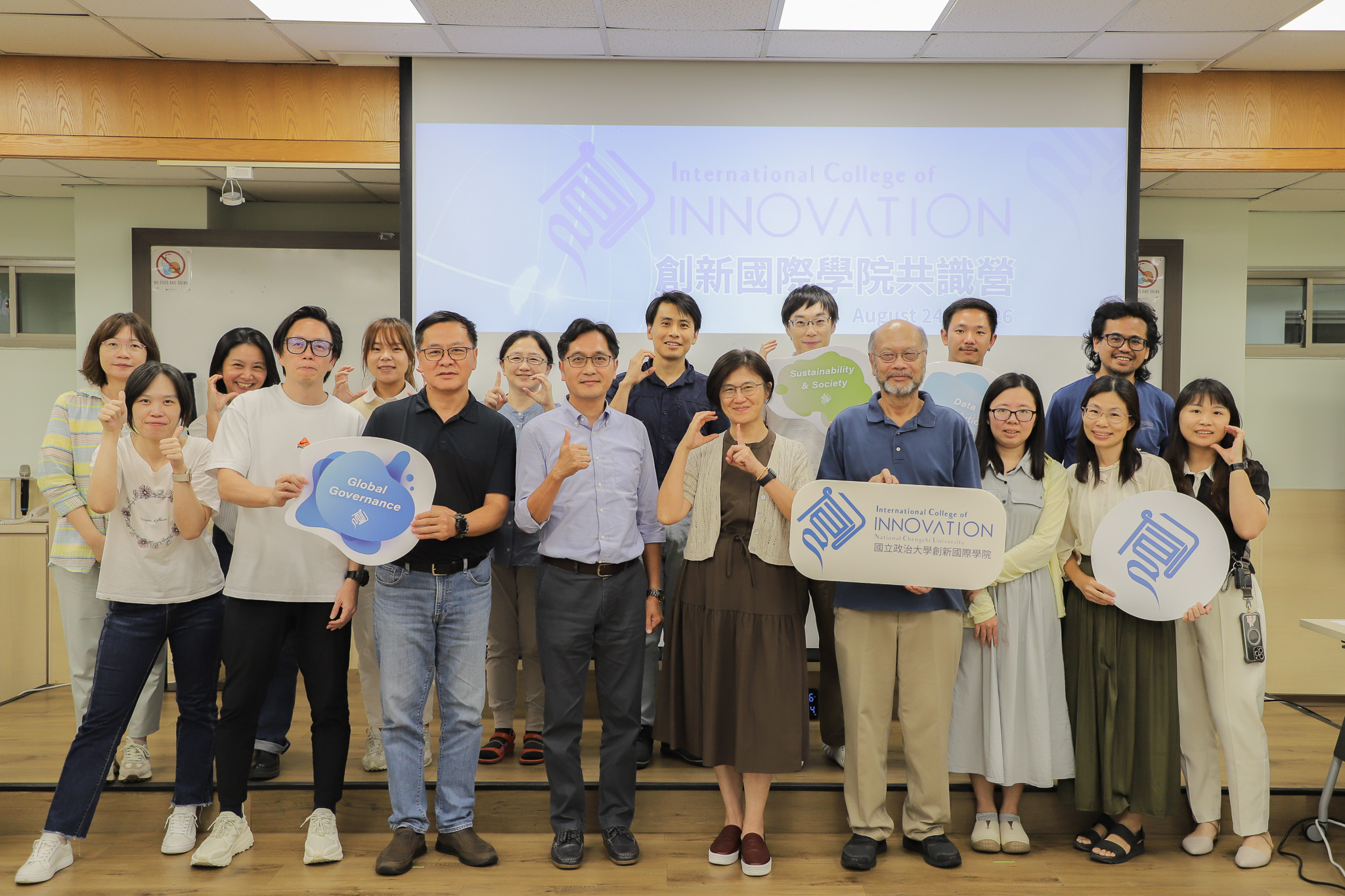
ICI faculty members also introduced themselves and shared their experiences and advice with the new students. Professor Ping-Yin Kuan reminded students that AI can be useful, but they should not blindly trust it. He emphasized the importance of academic integrity, encouraging students not to cheat or simply copy from AI or their peers, and noted that university education is not only about gaining knowledge and skills, but also about building character and a community based on trust. Professor Tzu-Chi Ou, who teaches Introduction to Global Studies, encouraged students to make friends and get to know people, societies, cultures, and struggles different from their own, gaining the confidence and courage needed to face a changing world. Drawing on his own experience at NCCU, Professor Po Liang Chen told students that it is okay to feel uncertain and encouraged them to make friends, try new things, and do things they have never done before. Professor Shun-Nan Chiang emphasized that faculty, staff, senior students, and new students are all part of the same community, and that students are not only here to receive knowledge but can also contribute to making ICI a bigger, stronger, and more enjoyable community. Professor Yung-Yu Tsai, drawing on his own experience as an international student, encouraged students to reach out for help when they face uncertainty or challenges, while Professor Meng-Chi Tang, who joined ICI in August, encouraged students to explore different courses, activities, and clubs, meet new people, and gradually discover their own interests and direction.
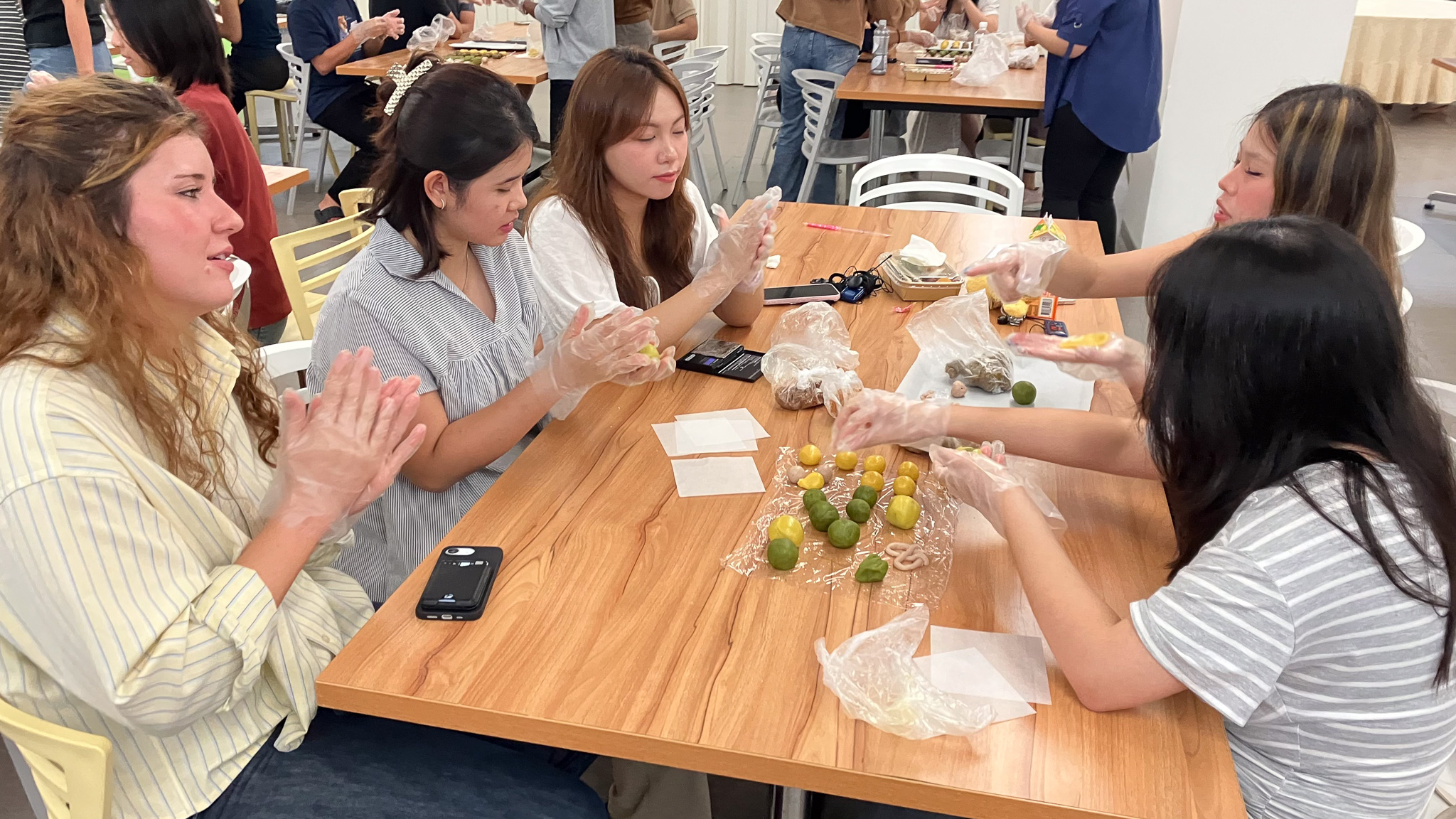
In addition to the warm welcome and encouragement from faculty members, the ICI administrative team, Student Life Advisor, and the ICI Student Association provided a practical “ICI New Student Guide,” covering scholarships, overseas exchange and internship opportunities, graduation credit requirements and course structure, campus emergency contacts, and student life resources to help students become familiar with important information for their studies and daily life at ICI. At lunchtime, faculty members and new students also shared a meal in a relaxed setting, giving students an opportunity to interact and get to know their professors and fellow students outside the classroom. In the afternoon, icebreaker and team-building activities took the students from “getting to know ICI” to “getting to know one another.” Through interactive activities, students shared their interests and found common ground with classmates from different national and cultural backgrounds. They also took on ICI’s “first dance”—Flamenco, bringing everyone closer through music and movement and creating a joyful and energetic shared memory on their first day at ICI.
Through the orientation, the 73 new students not only gained a better understanding of their academic journey over the next four years and the campus resources available to them, but also began to develop a sense of connection and belonging to ICI through their first interactions with faculty members, senior students, and new classmates. As ICI has long envisioned, the College hopes to be more than a place for learning and exploration—it also aspires to become a “second home” for its students, where people from diverse backgrounds can learn, grow, and support one another as they embark on their own university journeys.



.jpg)
.jpg)
![[Application Open] AY2026-27 ICI International Students Scholarship](https://ici.nccu.edu.tw/upload/91/doc/42084/官網橫頁照片 (5).jpg)